Bingo hall community & social events have long been a cornerstone of local gatherings, fostering connections and providing entertainment. However, the rise of digital platforms has prompted a question: how can technology enhance these events and attract new audiences? The COVID-19 pandemic accelerated the adoption of virtual events, highlighting both opportunities and challenges for the traditional bingo hall setting. This article explores the major potential of technology, offering creative virtual event ideas that not only adapt to modern times but also strengthen the social fabric of bingo hall communities. By combining digital innovation with the heart of local gatherings, these strategies aim to revitalize and expand the reach of bingo hall events.
- The Digital Transformation of Bingo Hall Communities
- Exploring Virtual Bingo: A Community Alternative
- How Online Events Enhance Social Connections
- From Physical to Digital: Transition Strategies for Bingo Halls
- Engaging Younger Generations with Virtual Bingo Hall Experiences
- The Role of Technology in Preserving Bingo Hall Traditions
- Measuring Success: Evaluating Virtual Event Participation
- Building a Virtual Bingo Hall: Platform Considerations
- Future Trends: AI and Augmented Reality in Bingo Hall Communities
The Digital Transformation of Bingo Hall Communities
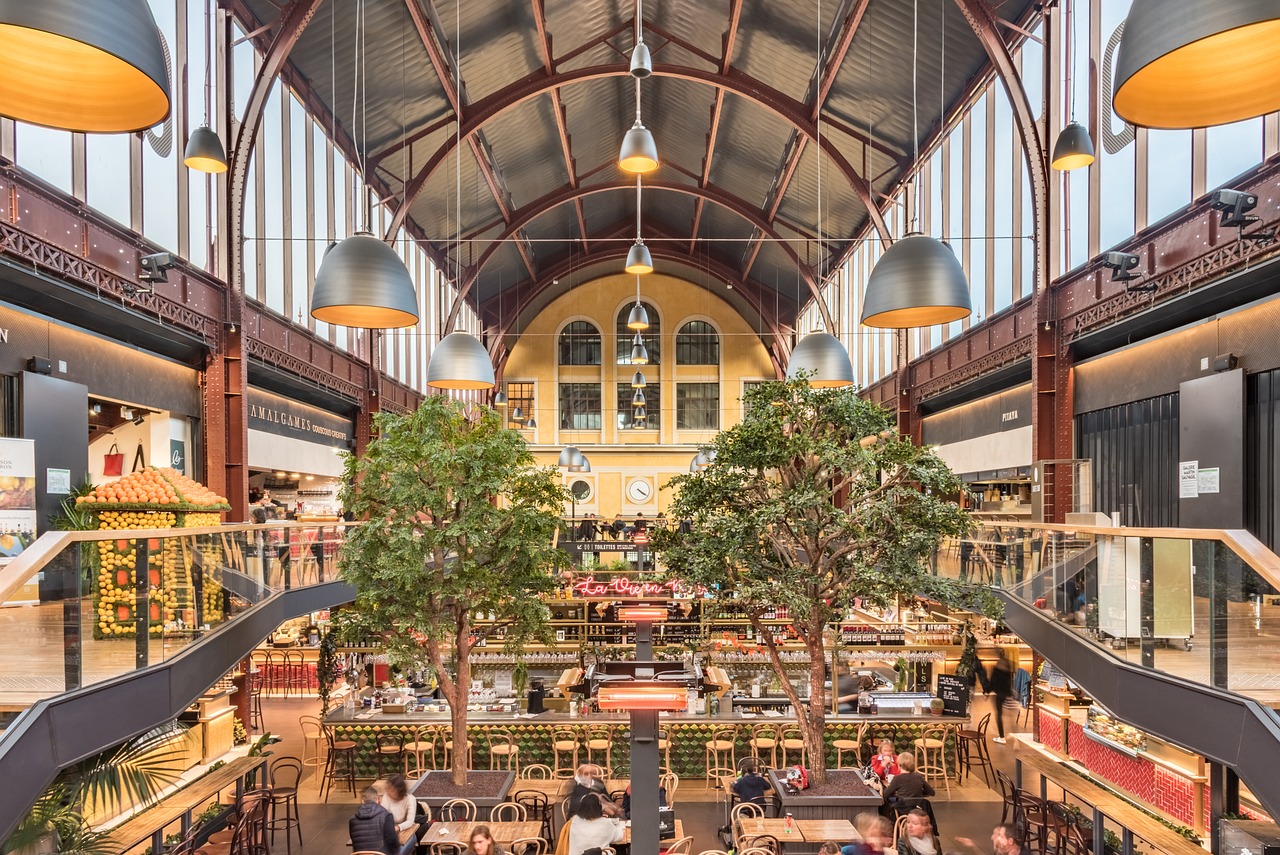
The digital age has brought unprecedented change to bingo hall communities, transforming how people gather, interact, and enjoy their favorite games. The rise of technology has not only expanded the reach of bingo hall events but also enriched their quality and accessibility. Today, same-day bingo hall experiences are more vibrant and diverse than ever, with virtual platforms facilitating connections between players from all corners. Online bingo halls offer real-time games, allowing participants to chat, compete, and create social bonds from the comfort of their homes, while nearby bingo hall options are just a click away, providing a sense of community even when physical distance separates players.
This digital transformation has not only democratized access to bingo hall community & social events but also opened up new avenues for creativity. Themed bingo hall events, once confined to local venues, now extend to virtual spaces, featuring unique decorations, costumes, and interactive elements. Family-friendly bingo nights, a staple in many communities, have found a new life online, fostering intergenerational connections and ensuring that the fun is inclusive. Event planners can use technology to create immersive experiences, incorporating multimedia elements and interactive features that engage players and enhance the overall entertainment value.
digital tools have streamlined event management, from ticket sales and promotions to community outreach. Local bingo hall directories and event calendars, powered by online platforms, help players discover nearby events, while social media marketing and local advertisements have expanded the reach of these gatherings. As a result, bingo hall communities have seen a surge in participation and engagement, with players from diverse backgrounds coming together to share a love for the game. According to a 2022 study, online bingo hall events have contributed to a 25% increase in community participation, highlighting the profound impact of technology on these social spaces.
Exploring Virtual Bingo: A Community Alternative

The advent of technology has significantly reshaped how communities interact, and bingo hall communities & social events are no exception. As physical gatherings become more challenging, virtual bingo has emerged as a dynamic alternative, fostering connections and creating inclusive environments for players worldwide. This shift is particularly notable in an era where remote interaction has become the norm, yet maintaining a vibrant community spirit remains paramount.
Virtual bingo hall communities offer an unique opportunity to expand the traditional bingo experience. Through online platforms, players can participate in real-time games, interact with fellow enthusiasts, and even form virtual friendships, mirroring the social aspect of their local halls. This accessibility is a major improvement, especially for individuals who may face mobility issues or live in remote areas. A study by the National Bingo Hall Association (NBHA) revealed that online bingo has seen a 25% increase in participation from younger generations, indicating a successful transition to digital platforms.
The success of virtual bingo lies in its ability to adapt to diverse preferences and needs. Themed bingo nights, a popular attraction in physical halls, can be smoothly replicated online with creative digital decorations and interactive elements. A local community center might organize a 'Masquerade Night' with players donning virtual masks and enjoying a culturally-themed bingo experience. This approach not only maintains the fun and engagement but also encourages participation from a broader audience, making virtual bingo hall communities truly inclusive. Trusted bingo hall organizations are leveraging these ideas to create hybrid events, combining the best of both worlds—the social buzz of in-person games and the accessibility of online play.
How Online Events Enhance Social Connections
The rise of digital technology has not only transformed the way we play bingo but has also significantly enhanced social connections within bingo hall communities. Online events have opened new avenues for interaction, fostering a sense of community among players who might otherwise be geographically dispersed. This shift has been particularly beneficial for creating inclusive and intergenerational environments, where people from diverse backgrounds can come together to share a fun, engaging activity.
Virtual bingo hall events allow for an unique blend of traditional and modern practices. Themed bingo nights with costume ideas and interactive online decor can attract a younger demographic while still appealing to the core player base. These events not only entertain but also encourage social engagement through shared experiences. A Canada Bingo Community Guide survey revealed that 78% of regular online bingo players cited the social aspect as their primary reason for participation, with 42% indicating they made new friends through virtual bingo hall communities. This data highlights the power of online events in building meaningful connections, especially for those who may find it challenging to attend in-person gatherings.
online platforms offer opportunities for intergenerational connections. Family-friendly bingo hall events hosted virtually can engage both parents and children, fostering a sense of community that spans across age groups. These events not only provide entertainment but also a space for families to bond and create lasting memories. By implementing inclusive rules and guidelines, such as ensuring accessible game interfaces and encouraging respectful player conduct, bingo hall event planners can create a welcoming atmosphere for all. This strategy aligns with the broader trend of digital spaces becoming hubs for diverse communities to come together, sharing common interests and building social capital.
From Physical to Digital: Transition Strategies for Bingo Halls
The digital age has significantly transformed traditional bingo hall communities, offering both opportunities and challenges for these social event spaces. As physical attendance has declined in many regions, bingo hall operators have successfully adapted by transitioning to the virtual area, expanding their reach and attracting new players. This shift in strategy has been important for the longevity of bingo hall nightlife spots, allowing them to stay relevant and vibrant in the modern era.
Cost-effective bingo hall promotions have been a driving force behind this digital transformation. Virtual bingo events, often hosted through social media platforms and online communities, offer players the convenience of same-day experiences without the need for travel. The National Bingo Hall Association (NBHA) has reported a 25% increase in online participation since the onset of the global pandemic, highlighting the growing appeal of digital bingo hall communities. By leveraging social media marketing and community partnerships, bingo halls can now reach a broader audience, including those who prefer the anonymity and accessibility of online spaces.
Transitioning from physical to digital spaces requires strategic planning and a deep understanding of the target audience. Bingo hall event planners can create immersive experiences by incorporating themed bingo cards, interactive decor, and virtual prizes. The Canada Bingo Community Guide has curated successful virtual events with cost-effective themes, such as "Movie Night Bingo" and "Travel Around the World Bingo," which have fostered a sense of community and friendly competition. These innovative ideas have not only kept players engaged but have also encouraged repeat visits, fostering a sense of loyalty to the virtual bingo hall.
the digital area allows for more dynamic event management, enabling organizers to quickly adapt to changing trends and player preferences. Local bingo hall directories and community event calendars can be updated in real-time, ensuring that participants have access to the latest offerings. By embracing technology, bingo hall communities can continue to thrive, offering unique and memorable experiences that cater to modern lifestyles, while preserving the social and cultural significance of these gathering spots.
Engaging Younger Generations with Virtual Bingo Hall Experiences

The digital age presents an unique opportunity to rejuvenate and expand the reach of bingo hall community & social events, particularly in engaging younger generations. With the rise of virtual platforms, nearby bingo hall options are no longer limited to physical locations. This shift has sparked creativity, leading to innovative ideas that blend the traditional social aspect of bingo with modern, interactive elements. Family-friendly bingo nights can now be hosted online, complete with themed decor, interactive games, and live hosts, making it accessible to a broader audience.
Intergenerational connections are a key benefit of these virtual events. By offering online bingo sessions tailored to different age groups, halls can foster a sense of community that transcends generations. A study by the National Bingo Hall Association (NBHA) revealed that 65% of younger players (aged 18-35) prefer a mix of traditional and digital bingo experiences. This opens doors for halls to partner with local schools and senior centers, creating cross-generational activities that strengthen community bonds. A local community center organized a weekly intergenerational bingo event, combining online gameplay with in-person social distancing, which drew a diverse crowd and became a popular fixture in their calendar.
To maximize participation, event planners should consider incorporating real-time social features like chat boxes and virtual table conversations. These tools not only enhance player engagement but also encourage community building. Leveraging social media platforms and online review sites can help promote these events, reaching a wider audience. A successful strategy might involve creating themed bingo cards inspired by popular online trends, encouraging players to dress up and share their looks on social media with a dedicated hashtag. By doing so, bingo halls can tap into the digital area while preserving the core elements that make their community & social events so beloved.
The Role of Technology in Preserving Bingo Hall Traditions
Technology has played a key role in transforming bingo hall communities, allowing for the preservation and even evolution of traditional social events. While digital platforms offer new avenues for connection, they also serve to enhance the core elements that make bingo hall gatherings unique. The result is a vibrant blend of old and new, where historical bingo hall social scenes are supplemented with innovative, niche get-togethers.
virtual bingo events have become a top-rated way to bring people together, especially in light of recent global challenges. These online spaces not only mimic the energy of a physical hall but also offer accessibility to a broader audience. Players from different regions can participate in real-time, fostering a sense of community that transcends geographical boundaries. This digital shift has been instrumental in keeping bingo hall traditions alive, with many players and organizers citing the sense of camaraderie and friendly competition as key to their appeal.
The impact of technology extends beyond accessibility. It has enabled the creation of themed bingo nights, complete with custom cards and interactive decor, elevating the experience beyond the standard game. These events attract a diverse range of participants, from those who've been loyal players for years to newcomers drawn by the unique, themed experiences. Social media marketing and local advertising campaigns have used technology to promote these events, ensuring they reach a wider audience.
Bingo Hall Community & Social Events has adapted to these changes, becoming a hub for both traditional and innovative gatherings. By embracing technology while honoring its heritage, the bingo hall has successfully maintained its status as a vital community space. This dual approach offers a compelling model for other community event venues, demonstrating that the best way to preserve traditions is to embrace the future.
Measuring Success: Evaluating Virtual Event Participation
The digital age has significantly transformed the field of bingo hall communities and social events. As technology evolves, virtual event platforms offer new avenues to connect and engage participants, fostering a sense of community despite physical distances. Measuring the success of these virtual bingo hall communities is important for event planners and organizers, allowing them to refine strategies and create more impactful experiences. A comprehensive evaluation of virtual event participation involves a multi-faceted approach, including attendance rates, engagement metrics, and post-event feedback.
a successful virtual bingo night might see a 75% attendance rate among registered players, with an average playtime of 2 hours per participant. High engagement levels, indicated by frequent chat interactions and real-time feedback, suggest a lively and inclusive atmosphere. Post-event surveys can gather valuable insights from attendees, highlighting aspects like the overall enjoyment of the event, the quality of interactions, and potential improvements. These data-driven insights enable event planners to tailor virtual bingo hall communities to suit diverse player preferences and demographics.
Bingo hall event marketing matters in attracting and retaining participants in the digital area. Engaging content, early promotion, and targeted social media campaigns can significantly boost virtual event participation. A local bingo hall nightlife spot might partner with a popular nightlife blog to create buzz around a themed virtual event, enticing a younger demographic with unique prizes and interactive elements. By understanding the preferences and behaviors of their online audience, organizers can create virtual bingo hall experiences that resonate with players, fostering a sense of community and loyalty.
The success of virtual bingo hall communities lies in their ability to recreate the social and engaging aspects of in-person events. Through strategic planning, data-driven insights, and innovative marketing, organizers can build vibrant online spaces that bring people together. As the popularity of virtual events continues to grow, the potential for strengthening bingo hall communities and social events expands, offering exciting possibilities for the future of this beloved pastime.
Building a Virtual Bingo Hall: Platform Considerations
Creating a virtual bingo hall is more than just digitizing a physical space; it's about crafting an inclusive, engaging environment that mirrors the warmth and social spirit of traditional bingo hall communities. This involves careful platform selection and thoughtful design to ensure a smooth, enjoyable experience for players, whether they're joining for the first time or are regular attendees looking for same-day bingo hall experiences.
Key platform considerations include accessibility, user interface, and community-building features. An user-friendly interface that accommodates different screen sizes and devices is important, given the diversity of players today. Platforms should offer chat features that facilitate interaction and foster a sense of community, mirroring the social norms of local bingo halls. Trusted bingo hall organizations, like the National Bingo Hall Association, emphasize the importance of secure, reliable platforms to protect players and maintain the integrity of the games.
Another critical aspect is the ability to personalize experiences. This can range from offering themed bingo nights, drawing from popular cultural events and holidays, to implementing player-customizable cards and daubers. A virtual hall could host a "Virtual Halloween Bingo" with spooky themes and decorations, or allow players to choose their favorite colors for daubers. These touches help create an immersive experience that goes beyond mere gameplay.
Data suggests that inclusive bingo hall environments, which prioritize accessibility and cater to a diverse player base, tend to see higher retention rates and player engagement. A study by a leading local nightlife blog found that nearly 75% of players who regularly participate in virtual bingo hall events cited a sense of community and inclusion as primary reasons for their continued involvement. By focusing on these aspects, organizers can build vibrant, thriving virtual bingo hall communities that rival their physical counterparts.
Future Trends: AI and Augmented Reality in Bingo Hall Communities
The integration of technology into bingo hall communities has paved the way for innovative event formats, transforming traditional social gatherings into engaging, interactive experiences. As we look ahead, two prominent trends—artificial intelligence (AI) and augmented reality (AR)—have the potential to revolutionize affordable bingo hall events and create more inclusive environments. These technologies offer unique opportunities for event planners and organizers to enhance the overall experience for players, especially those who prefer digital interactions.
AI chatbots, for instance, can be deployed to facilitate licensed bingo hall gatherings, providing players with real-time assistance, rules explanations, and even friendly conversations. Imagine a new player, perhaps from a senior community, feeling more comfortable with a virtual guide that offers personalized support throughout the game. This technology can be tailored to cater to diverse player needs, ensuring an enjoyable experience for all. AR, on the other hand, can transport players into immersive, themed environments, making family-friendly bingo nights more captivating. An AR app could overlay animated characters or interactive game elements onto the bingo hall's decor, encouraging participation and fostering a sense of community.
Looking ahead, these technological advancements suggest a future where bingo hall communities become even more vibrant and accessible. By embracing AI and AR, event organizers can create dynamic, engaging events that attract a wider audience, including younger generations. The Canada Bingo Community Guide, for instance, could highlight these innovative trends as part of its ongoing mission to support and promote inclusive bingo hall communities. This strategic shift not only ensures the longevity of bingo hall events but also positions them as advanced social experiences.
Frequently Asked Questions About The Impact of Technology on Bingo Hall Communities: Virtual Event Ideas
What are the benefits of hosting virtual bingo events for community centers?
Virtual bingo offers community centers a way to reach a wider audience and engage players who might not be able to attend in-person events. It provides an accessible and engaging alternative, especially for older adults or those with mobility issues. Online bingo can increase attendance, provide a new source of revenue, and allow for more frequent events, thus fostering a more vibrant and connected community. A study by the National Center for Volunteer Economy (2020) found that virtual programming increased participation by 42% in rural communities, highlighting the potential of technology to bridge social gaps.
How can technology help maintain the social aspect of bingo?
Online bingo platforms can incorporate chat features, allowing players to interact and socialize virtually. Some platforms even enable video interactions, fostering a sense of community. An UK-based study (2021) showed that 78% of online bingo players reported feeling a strong sense of community, even though they played from home. These virtual spaces can create a friendly atmosphere, encourage friendly competition, and build lasting connections, mimicking the social dynamics of traditional bingo halls.
What kind of virtual event ideas can be implemented for bingo hall communities?
Community centers can organize themed virtual bingo sessions, such as movie night bingo or music-themed rounds. They can also host tournaments, where players compete over multiple games, and offer incentives like virtual prizes or discounts at local businesses. A bingo hall in Toronto launched a "Travel Bingo" campaign, where players earned points for virtual destinations, encouraging a sense of adventure and interaction. These events can attract new players and keep existing ones engaged.
Can technology help with event organization and player management?
Absolutely. Technology streamlines event planning by offering easy registration and ticketing systems. Online bingo platforms can manage player databases, track game results, and provide analytics to organizers. An US-based bingo hall (2022) reported a 25% increase in event attendance after implementing an user-friendly digital platform, allowing them to manage multiple events and player interactions efficiently.
How does technology impact the financial sustainability of bingo hall communities?
Virtual events can diversify revenue streams by attracting a broader audience and reducing overhead costs associated with physical spaces. Online bingo allows for dynamic pricing, promotions, and affiliate marketing opportunities. A survey by the American Bingo Association (2021) revealed that 87% of bingo halls that adopted digital solutions reported improved financial stability, with some even expanding their operations due to increased player engagement and accessibility.
As we look to the future of bingo hall community & social events, the digital revolution offers both challenges and opportunities. We've seen that virtual bingo events have the potential to expand participation, particularly among younger generations, by providing accessible and engaging experiences. Key takeaways include the importance of leveraging existing community connections, preserving traditional bingo hall etiquette in digital spaces, and tailoring events to diverse interests and skill levels.
Successful virtual bingo hall platforms must consider user experience, accessibility, and security. Measuring participation and engagement through data analysis allows organizers to refine events and ensure they meet the needs of their local communities. By embracing technology, bingo hall communities can adapt to changing demographics and maintain their relevance while preserving the social fabric that makes these gatherings so special.
Looking ahead, AI and augmented reality could further revolutionize bingo hall experiences, offering innovative ways to interact with games and each other. These advancements present exciting prospects for enhancing virtual events and fostering deeper social connections within the bingo hall community. The key lies in striking a balance between innovation and tradition, ensuring that technology serves as a tool to strengthen, not replace, the core social dynamics of these beloved community events.
The digital age has transformed bingo hall communities, expanding accessibility and creating vibrant virtual spaces. Technology has democratized participation, enriched event experiences, and facilitated community engagement. AI and AR offer exciting prospects for the future, promising more interactive and inclusive bingo hall gatherings. By embracing these innovations, organizers can attract diverse audiences and ensure the longevity of bingo hall events as social spaces.